Midface Proportions and Facial Balance: A Patient’s Guide to Aesthetic Treatment in Korea
Understanding Midface Proportions and Facial Balance
A face that appears long or older than expected is not always related to overall face size. In many cases, the proportions and contour of the midface play an important role. For international patients considering facial aesthetic treatment in Korea, understanding the midface can be a helpful first step in discussing concerns such as a long-looking face, a flat central facial contour, or age-related volume loss.
The goal of facial proportion treatment is not to create a single, standardized ratio. Instead, it is to improve harmony among the forehead, eyes, cheeks, nose, lips, chin, and jawline while respecting each patient’s natural features.
What Is the Midface?
The midface is generally the central portion of the face, extending from the area beneath the eyes to the base or tip of the nose and upper lip. It sits between the upper face, including the forehead and brow area, and the lower face, including the chin and jawline.
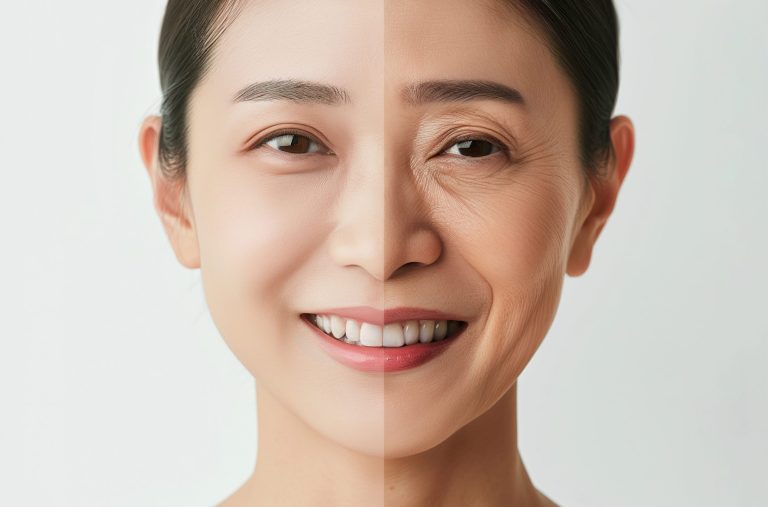
Because the midface occupies such a visible central position, its shape, volume, and proportions can strongly influence the overall impression of the face. A midface that appears relatively long, hollow, or flat may make the entire face look more elongated. In contrast, balanced midface proportions and natural contour can contribute to a fresher, more youthful-looking appearance.

How Facial Proportions Are Assessed
Facial proportion assessment often begins by viewing the face from the front and dividing it into upper, middle, and lower sections. These sections are commonly considered from the forehead to the eyebrows, from the eyebrows to the nose, and from the nose to the chin.
However, facial aesthetics cannot be determined by measurements alone. Two people with similar facial lengths may have very different overall impressions depending on facial width, cheekbone prominence, eye shape, nose projection, chin position, and skin quality.
For this reason, a professional consultation may include an assessment of facial structure, soft tissue volume, symmetry, profile balance, and age-related changes. This more comprehensive approach helps determine whether the concern is truly related to midface length or to another feature affecting facial balance.
Why Can the Midface Look Long?
A long-looking midface can result from several factors rather than one single cause. Natural bone structure and inherited facial proportions may contribute to the appearance. The nose can also influence the perceived length of the central face, particularly when the nasal tip points downward or the nose appears disproportionately long in relation to the cheeks and chin.
Loss of volume may be another factor. When the cheeks or under-eye area appear hollow, the center of the face may look flatter and longer. With aging, reduced skin elasticity and the downward movement of facial soft tissue can further emphasize this effect. Cheek volume may descend over time, causing the midface to appear less supported and the lower facial contour to appear heavier.
In some cases, the overall concern may be related to chin projection, lip position, a protruding mouth, or jawline balance rather than the midface itself. A full-face evaluation is therefore important before selecting any treatment.
Creating the Appearance of More Balanced Proportions
Although underlying bone structure cannot always be changed without surgery, there are aesthetic approaches that may help improve the visual balance of the midface. The appropriate approach depends on the patient’s anatomy, degree of volume loss, skin condition, and treatment goals.
For patients with hollow or flat areas in the central face, carefully planned volume restoration may enhance contour and improve the transition between the under-eye area, cheeks, and nose. Improving support in selected areas may create greater facial dimension and reduce the visual impression of excessive midface length.
For patients whose concerns are primarily related to skin laxity or descended soft tissue, lifting-focused treatments may be considered. By addressing sagging in the cheeks and midface, these treatments may help restore a more defined and refreshed facial contour. In some cases, lifting and volume restoration may be combined when both laxity and volume loss are present.
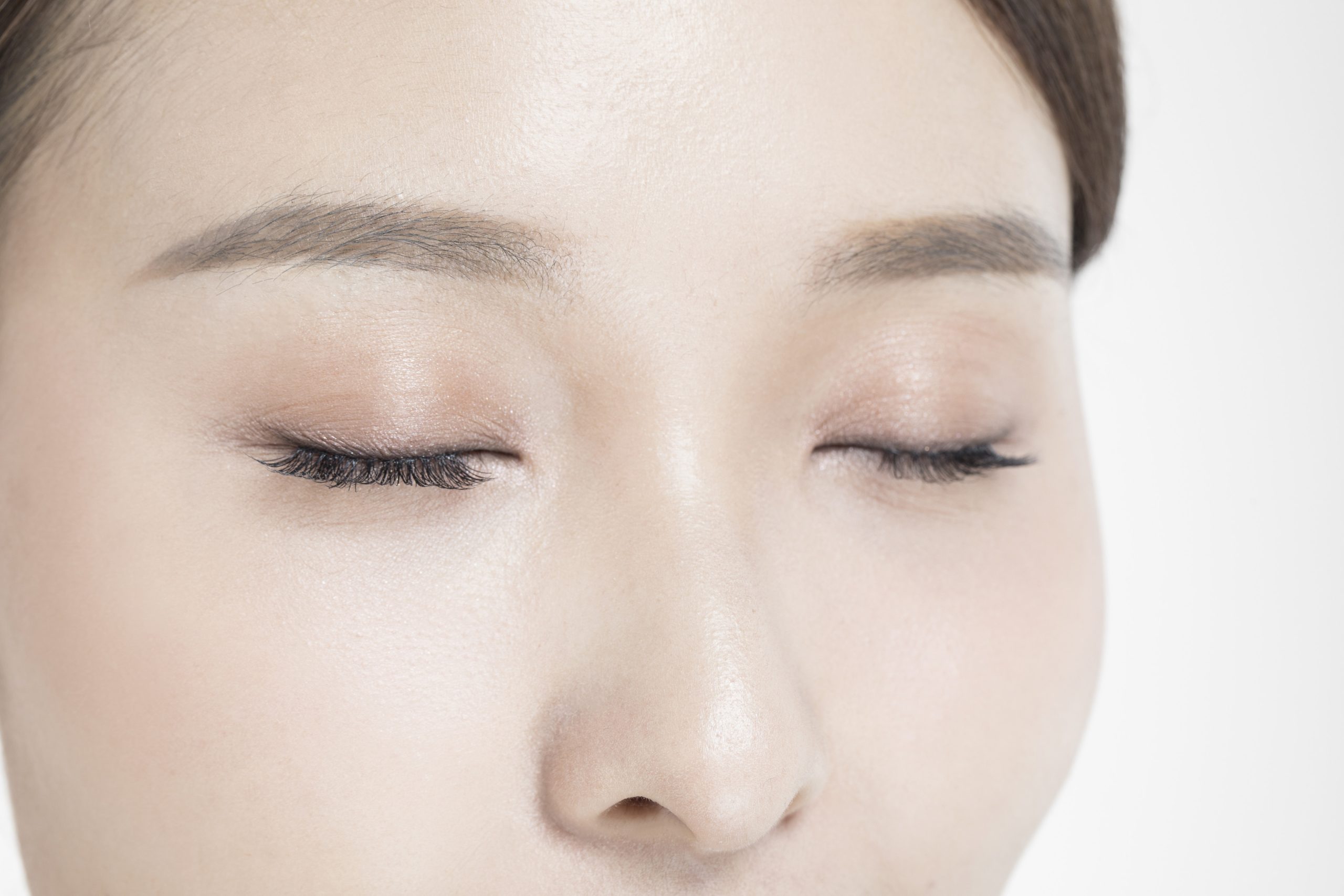
Considering the Nose, Chin, and Overall Profile
A balanced facial result requires more than focusing on one area. The nose, lips, chin, forehead, and cheeks all influence how long or short the face appears.
For example, a weak or recessed chin may make the lower face appear less defined and alter the perceived proportions of the entire face. Conversely, an overly prominent or elongated chin can also contribute to a longer-looking facial outline. Nasal shape, projection, and tip angle can similarly affect central facial balance.
This is why treatment planning should be individualized. Rather than attempting to shorten the midface in isolation, a clinic may evaluate how subtle adjustments to facial contour, volume, lifting, or profile balance could create a more harmonious overall appearance.
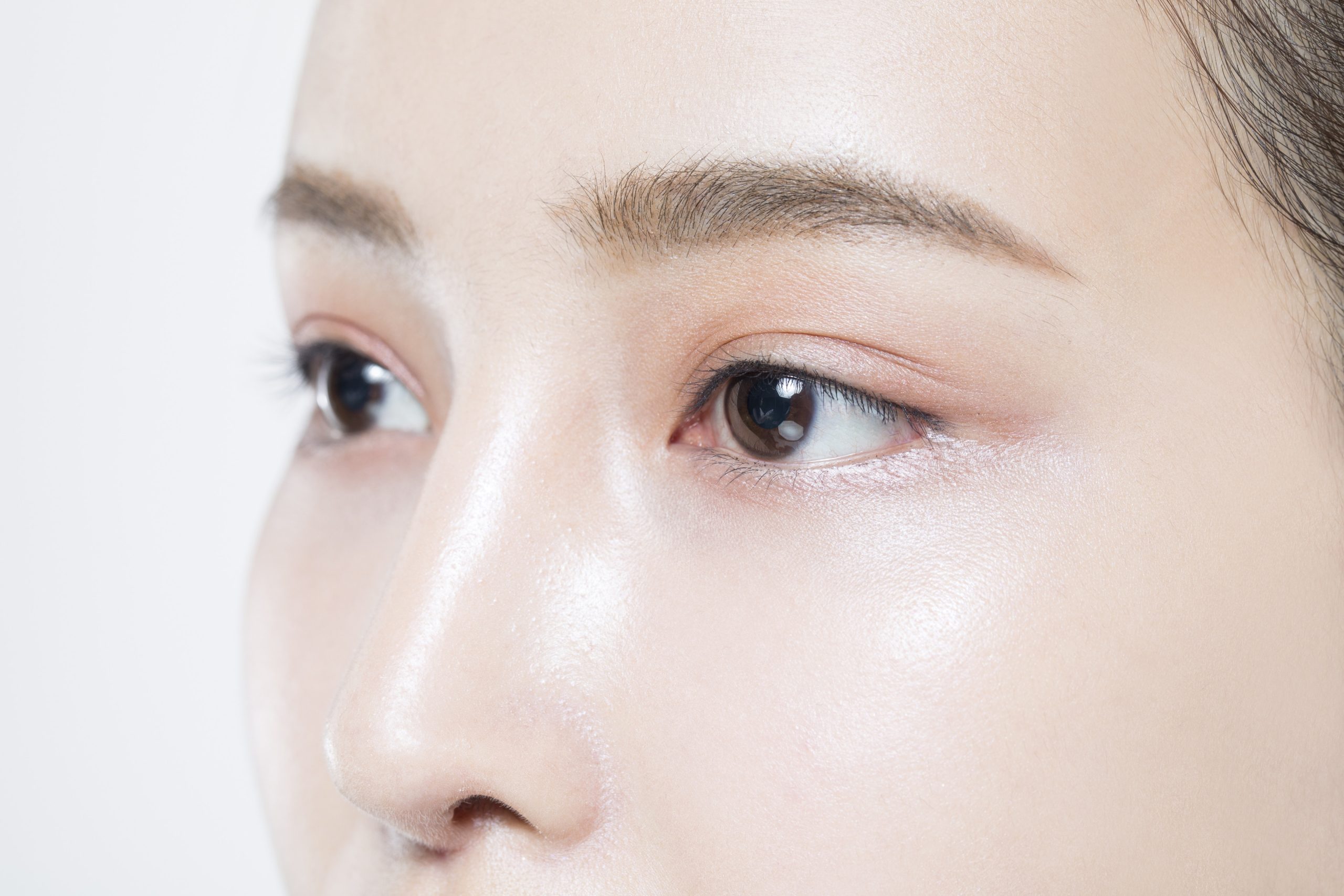
Why Personalized Treatment Planning Matters
There is no universal ideal facial proportion that suits every patient. Facial aesthetics are influenced by ethnicity, individual anatomy, age, skin characteristics, and personal preferences. A treatment that looks natural on one person may not be appropriate for another person with a different facial width, bone structure, or degree of soft tissue volume.
For medical tourists, a detailed consultation is particularly valuable before traveling for treatment. A clinic should review the patient’s concerns, medical history, facial photographs or in-person examination, and desired outcome. The treatment plan should include a clear discussion of available options, expected recovery, potential limitations, and possible risks.
Natural-looking results are generally achieved by preserving individual features while improving balance, rather than making dramatic changes based solely on a numerical facial ratio.

Planning Your Facial Consultation in Korea
If you are concerned that your face appears long, tired, or lacking in central facial definition, a comprehensive facial proportion assessment may help clarify the cause. The concern may relate to midface volume, skin laxity, nose and chin balance, or a combination of these factors.
During consultation, it is helpful to explain which angles and features concern you most, whether your appearance has changed with aging, and whether you prefer nonsurgical or surgical options. A qualified medical professional can then recommend an approach based on your individual anatomy and goals.
Midface proportions are an important part of facial balance, but they should always be evaluated in the context of the whole face. A personalized plan that considers contour, volume, elasticity, and profile harmony can help support a balanced and natural-looking result.

Begin Your BongBong Experience
Starting your treatment process here at BongBong is simple and easy.
Fill out our enquiry form, and a member of our team will get back to you as soon as possible.
This is an informational post published by a medical institution in compliance with Articles 56 and 57 of the Medical Service Act.
Pursuant to Article 57(3), this post has not undergone medical advertising review. It was prepared for informational purposes in accordance with Article 24 (Review of Medical Advertisements) of the Enforcement Decree of the Medical Service Act.
Note: This article was translated and published from the original with consent from the author.