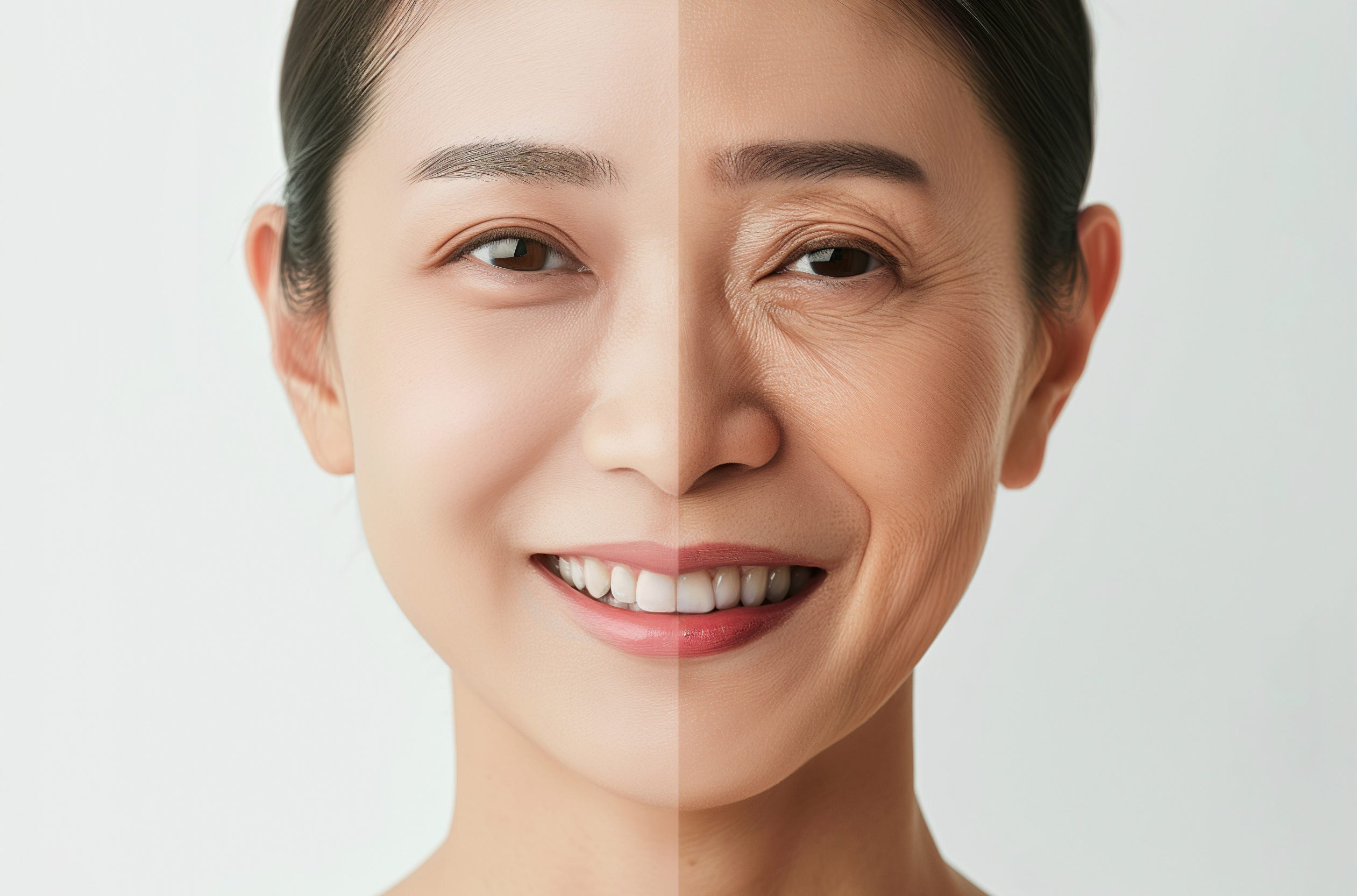
Early Signs of Facial Aging: What International Patients Should Know About Eye, Cheek, Jawline & Neck Changes and Treatment Options in Korea
Understanding the Early Signs of Facial Skin Aging
Skin aging rarely appears overnight. For most people, it begins with subtle changes: makeup may no longer apply as smoothly, the face may look more tired than usual, or fine lines may become visible in certain lighting. Over time, reduced elasticity, deeper wrinkles, and facial sagging can gradually change the overall facial impression.
For international patients considering aesthetic care abroad, recognizing these early changes can be helpful when planning a personalized consultation. The most appropriate approach depends on each patient’s skin quality, facial structure, degree of tissue laxity, and personal goals.
Why the Eye Area Often Shows Aging First
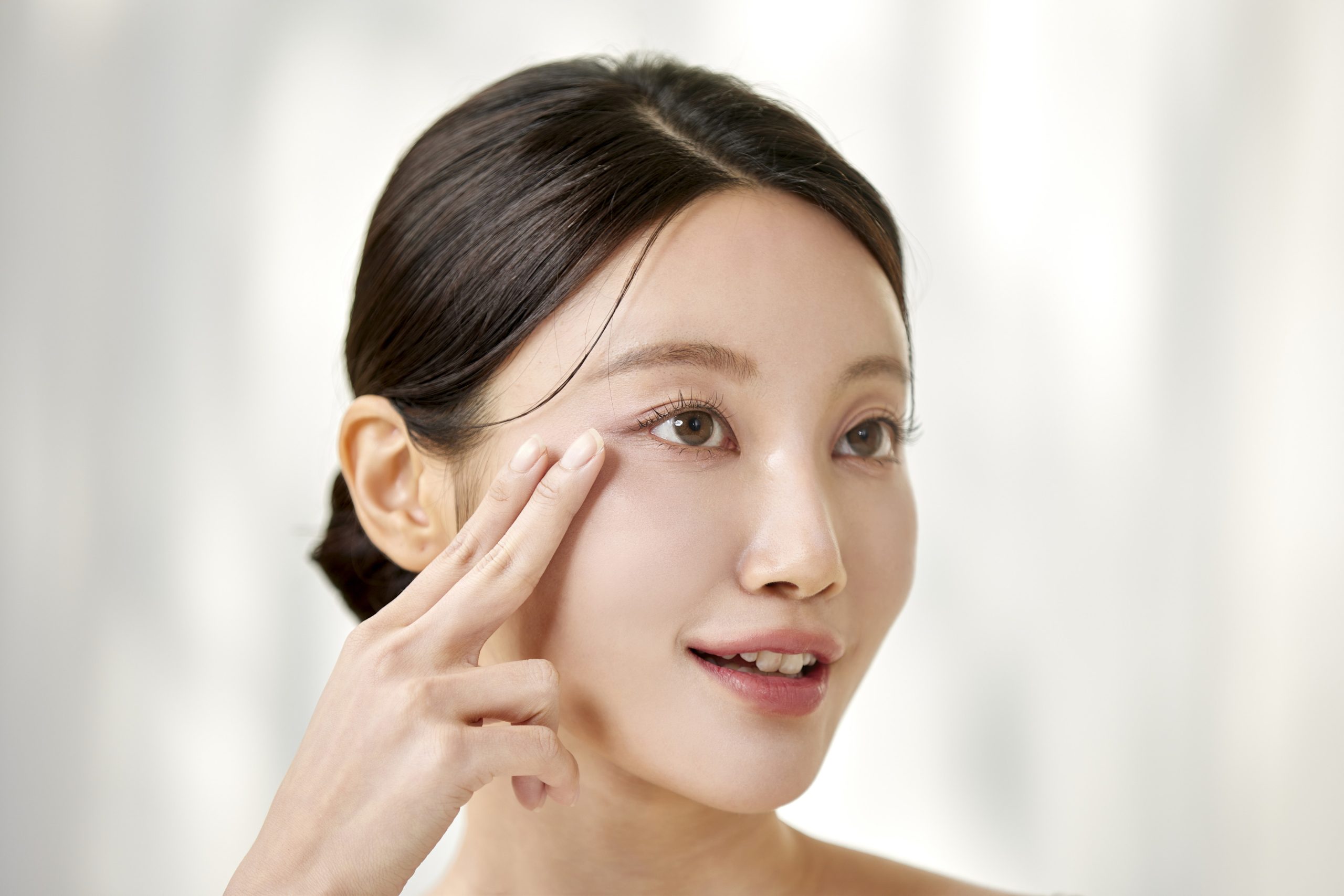
The skin around the eyes is thin and contains relatively few sebaceous glands, making it more vulnerable to dryness and fine lines. Frequent facial movements such as blinking, smiling, and squinting also place repeated stress on this delicate area.
As collagen and skin elasticity decline, fine lines around the eyes may become more visible. Some individuals may also notice eyelid laxity, under-eye hollowing, or a tired-looking appearance. Because the eye area contributes greatly to facial expression, even mild changes can affect how refreshed or youthful the face appears.
Nasolabial Folds and Midface Changes
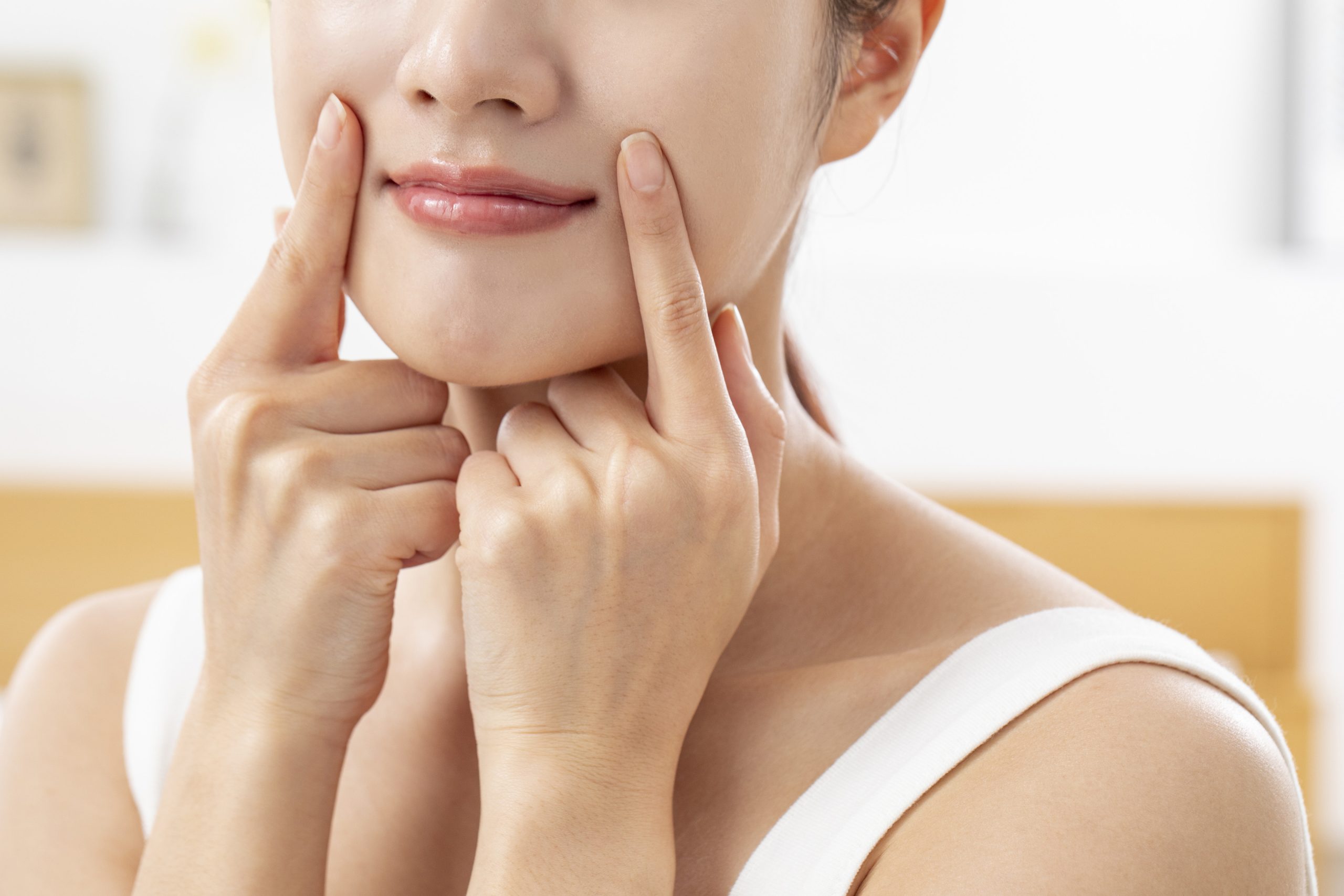
Nasolabial folds, commonly called smile lines, are influenced by more than surface wrinkles. With age, the skin, fat pads, and soft tissues of the cheeks may descend gradually. This downward movement can make the folds between the nose and mouth appear deeper.
Midface volume loss and sagging can also reduce facial definition, creating a heavier or more tired appearance. A thorough assessment should consider the relationship between the cheeks, nasolabial folds, skin elasticity, and underlying facial support rather than focusing on one line alone.
Loss of Jawline Definition and Double Chin Concerns
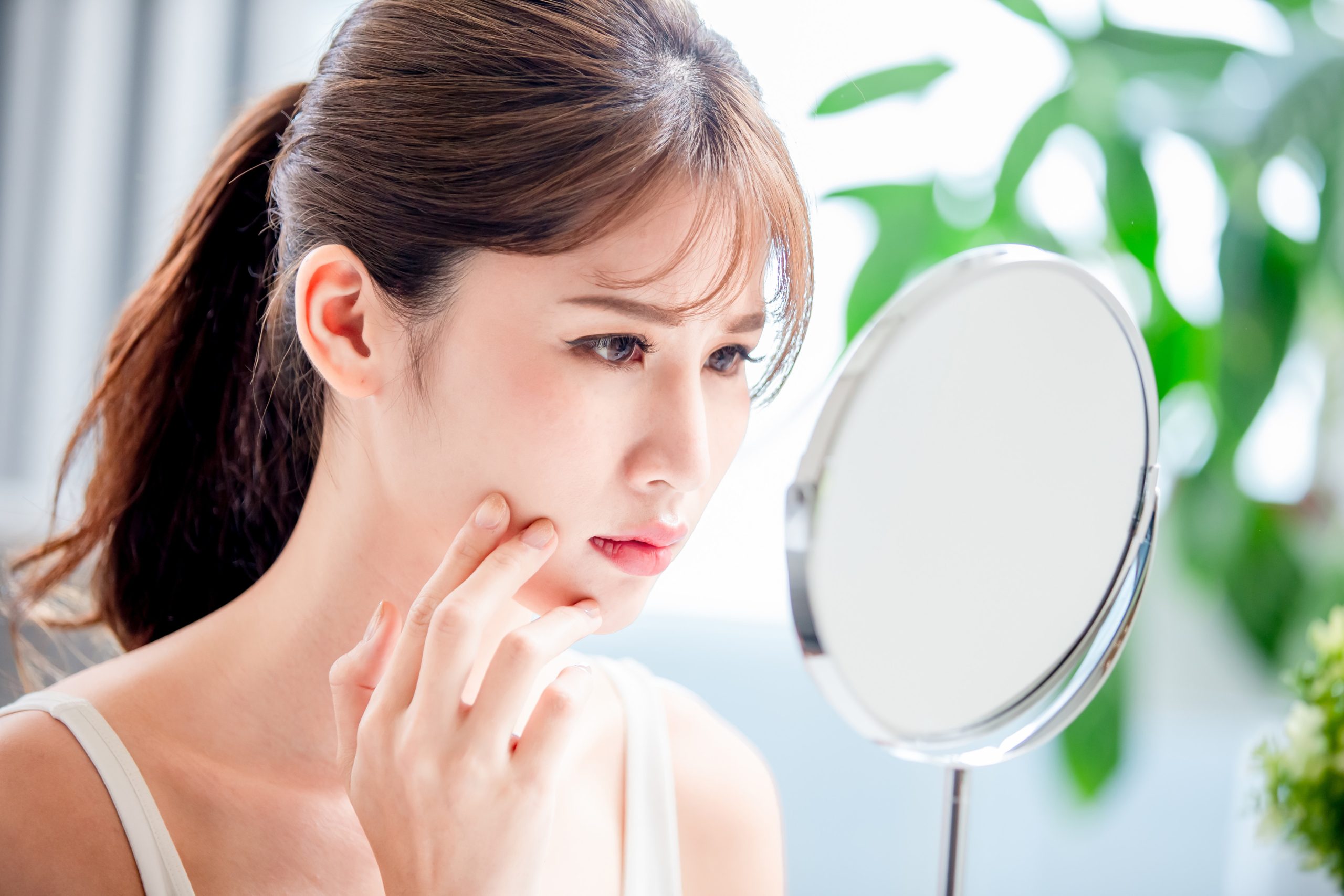
A defined jawline is an important feature of facial balance. As skin laxity and soft-tissue descent progress, the lower face may begin to appear less contoured. Some people notice jowling, a less distinct jawline, or fullness beneath the chin.
These changes can make the face look wider, rounder, or heavier than before. They may be influenced by age-related tissue changes, genetics, weight fluctuations, and the amount and distribution of submental fat. A personalized evaluation can help determine whether the concern is primarily related to skin laxity, fat accumulation, volume loss, or a combination of factors.

Cheek Sagging and Reduced Facial Elasticity
The cheeks play a central role in facial contour and dimension. When elasticity decreases, cheek tissue may shift downward, resulting in flattening of the midface and a more pronounced lower-face appearance. This can contribute to deeper nasolabial folds and a less lifted facial contour.
Because facial aging affects multiple layers, including skin, fat, connective tissue, and deeper support structures, treatment planning should be individualized. A natural-looking result is generally achieved by addressing the specific causes of sagging rather than applying the same approach to every patient.
Neck Wrinkles and Neck Skin Laxity
The neck is often overlooked in daily skincare routines, yet it can show visible signs of aging relatively early. Neck skin is thin, moves frequently, and may develop horizontal lines, vertical banding, and laxity over time.
Modern lifestyle habits may also contribute to concerns in this area. Frequent downward viewing of phones and other devices can make existing neck lines more noticeable. For a balanced rejuvenation plan, it may be beneficial to assess the face and neck together.

Lifestyle Factors That Affect Skin Aging
Age is only one factor in skin aging. Long-term sun exposure, smoking, insufficient sleep, stress, dehydration, and poor nutritional habits may contribute to premature changes in skin texture and elasticity.
Consistent sun protection, adequate rest, a balanced diet, and a healthy lifestyle can support overall skin health. While these habits cannot stop the natural aging process, they can be an important part of maintaining the results of professional aesthetic care.

Personalized Lifting Options for International Patients
When mild changes are present, non-surgical lifting treatments may be considered depending on the patient’s skin condition and goals. These approaches may be suitable for individuals seeking improvement in early laxity without surgery.
When sagging is more advanced, surgical options such as facelift procedures may be discussed. Facelift surgery is designed to address deeper facial tissue descent and can be considered for patients with significant loss of contour in the midface, jawline, and neck.
The right option depends on a detailed consultation, including an assessment of facial anatomy, skin elasticity, degree of sagging, medical history, recovery preferences, and expected outcomes. For medical tourists, it is also important to discuss travel timing, recovery requirements, follow-up planning, and any necessary preoperative evaluations before scheduling treatment.
A Thoughtful Approach to Facial Rejuvenation
Skin aging may begin with fine lines around the eyes, but it can gradually affect the cheeks, nasolabial folds, jawline, neck, and overall facial contour. These changes are a natural part of aging and often involve more than the surface of the skin.
Early evaluation can help patients understand the causes of their concerns and explore appropriate treatment options before changes become more pronounced. Whether considering non-surgical lifting or facial rejuvenation surgery, an individualized plan developed through a professional consultation can help support balanced, natural-looking results.
Begin Your BongBong Experience
Starting your treatment process here at BongBong is simple and easy.
Fill out our enquiry form, and a member of our team will get back to you as soon as possible.
This is an informational post published by a medical institution in compliance with Articles 56 and 57 of the Medical Service Act.
Pursuant to Article 57(3), this post has not undergone medical advertising review. It was prepared for informational purposes in accordance with Article 24 (Review of Medical Advertisements) of the Enforcement Decree of the Medical Service Act.
Note: This article was translated and published from the original with consent from the author.