Breast Filler Augmentation in Korea: Personalized Non‑Implant Option for Targeted Volume, Upper‑Pole Fullness & Asymmetry
Breast Filler Augmentation: A Personalized Option for Targeted Volume Enhancement
Breast filler augmentation is a non-implant procedure designed to add volume or refine contour through carefully placed injectable material. Rather than focusing exclusively on increasing overall breast size, this approach may be considered for patients who would like to address localized concerns, such as reduced upper-pole fullness, subtle asymmetry, or insufficient volume in the inner or outer breast area.
For international patients considering breast enhancement in Korea, understanding the differences between fillers, fat grafting, and implant surgery is an important first step. A personalized consultation can help determine whether breast filler augmentation aligns with your anatomy, aesthetic preferences, health history, and long-term breast screening plans.
Understanding Breast Filler Augmentation
Breast filler augmentation involves injecting an approved filler material into selected areas of the breast to supplement volume and improve contour. Unlike implant-based breast augmentation, this method does not involve surgically placing an implant. Unlike autologous fat grafting, it does not require fat to be harvested from the abdomen, thighs, or another donor area.
The injection plan is tailored to the patient’s existing breast shape and desired result. Some patients are primarily interested in improving the appearance of hollow upper breasts, while others wish to soften a minor difference in size or contour between the two breasts.
Because filler can be placed in targeted areas, the procedure may offer a more localized approach to volume enhancement. However, the degree of change that can be achieved depends on factors including breast tissue, skin elasticity, the amount and type of injectable material used, and the patient’s individual goals.
When Might Breast Filler Augmentation Be Considered?
Patients may explore breast filler augmentation when they are seeking a modest and targeted enhancement rather than a major increase in breast size. It may be of interest to those who feel hesitant about implant insertion or who do not wish to undergo fat harvesting.
This procedure may also be considered by patients concerned about a lack of fullness in the upper breast area, mild asymmetry, or areas of the breast that appear relatively flat compared with the surrounding contour. In these cases, the treatment plan is based on where additional volume may help create a more balanced silhouette.
A consultation is essential because breast filler augmentation is not appropriate for every patient or every aesthetic goal. Patients seeking a substantial, predictable increase in overall breast size may be better suited to other approaches, such as implant-based augmentation. Patients who prefer to use their own tissue and have sufficient donor fat may wish to discuss autologous fat grafting.

How Breast Fillers Compare With Fat Grafting and Implants
Breast filler augmentation, fat grafting, and implant surgery each have different characteristics.
Filler augmentation uses injectable material to enhance specific areas of the breast. It does not require donor-site liposuction or implant placement, and the amount and location of filler can be adjusted according to the treatment plan. Depending on the product used, absorbable filler materials are gradually metabolized by the body over time.
Autologous fat grafting uses the patient’s own fat, which is harvested through liposuction, processed, and injected into the breasts. This option may create a natural-feeling enhancement, but results can be affected by the amount of available donor fat and by how much of the transferred fat survives after treatment.
Implant-based breast augmentation involves the placement of implants selected according to the patient’s desired size, shape, body proportions, and tissue characteristics. It may provide a more significant and defined change in size, but it is a surgical procedure and requires consideration of implant-related factors such as future monitoring, capsular contracture, and possible revision surgery.
The most suitable option depends on the desired degree of enhancement, existing breast shape, skin and tissue condition, body type, medical history, and comfort level with surgery.
What to Expect During the Consultation and Treatment Planning Process
A thorough consultation begins with an assessment of the current breast shape, volume distribution, symmetry, skin condition, and soft-tissue characteristics. Your surgeon will also discuss the changes you would like to achieve and whether those goals can be approached safely and realistically with filler.
Treatment planning includes determining which areas may benefit from volume enhancement, the proposed injection range, the type of material to be used, and the estimated amount of filler required. It is important to understand that treatment plans are individualized; the same injection volume is not appropriate for every patient.
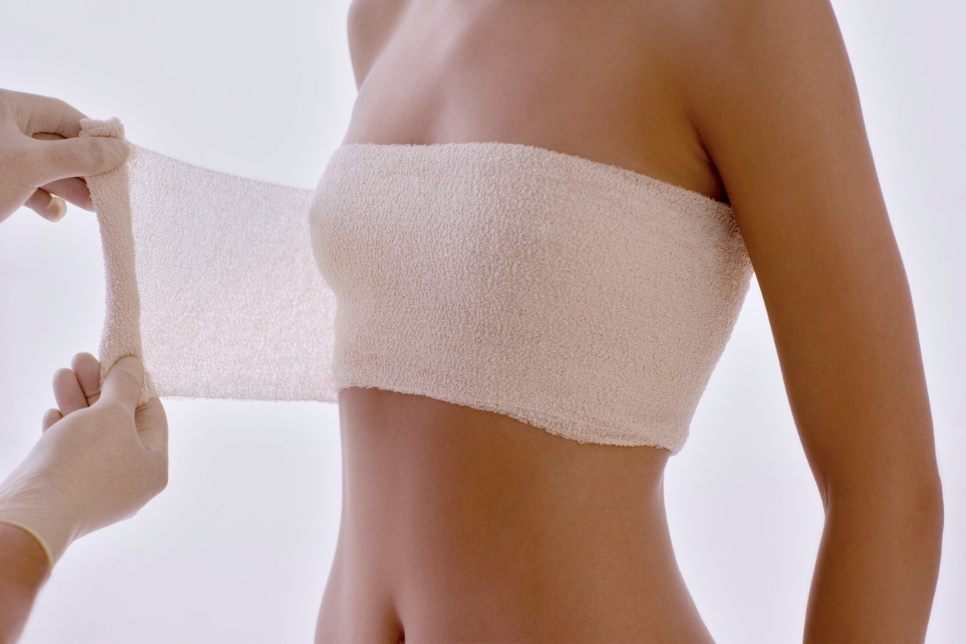
For medical tourists, consultation planning should also include a review of your travel schedule. Patients should allow adequate time in Korea for pre-procedure evaluation, treatment, early follow-up if recommended, and recovery before flying home. Your clinic may also provide guidance regarding activity restrictions, compression garments if applicable, and follow-up communication after your return.

Important Safety Considerations Before Breast Filler Augmentation
Before treatment, patients should understand the type of injectable material being considered, its expected duration, the planned injection amount, and the intended treatment areas. Injectable materials differ in composition and longevity, and the breasts generally require greater treatment volumes than facial areas.
Breast health screening should be part of the discussion. The breast area requires regular evaluation through examinations such as ultrasound and mammography when appropriate. Some injectable materials or previous breast procedures may appear on imaging studies or affect image interpretation.
If you have received breast fillers or other injectable treatments in the past, inform your medical team of the product used, the date of treatment, and the treatment area. It is also important to share this information with the healthcare professionals performing future breast imaging examinations.
Patients should disclose relevant medical history, current medications, allergies, previous breast surgery, breastfeeding history, family history of breast disease, and any planned pregnancy. An in-person medical assessment is necessary to determine whether treatment is appropriate.
Recovery and Return to Daily Activities
Breast filler augmentation is performed differently from implant surgery, but recovery still requires attention. Temporary swelling, bruising, tenderness, or discomfort may occur after injections. The recovery experience can vary depending on the treatment area, injection volume, individual healing response, and the specific product used.
Your medical team will provide individualized aftercare instructions, including guidance on showering, exercise, pressure on the treated area, and other daily activities. International patients should avoid planning strenuous sightseeing, intense exercise, or long-haul travel immediately after treatment unless their surgeon confirms that doing so is appropriate.
Following your clinic’s aftercare instructions and attending recommended follow-up appointments can support a smoother recovery.
Frequently Asked Questions

Can breast filler augmentation improve breast asymmetry?
Filler may be considered for subtle differences in breast volume or contour because it can be injected into selected areas. However, the degree of correction possible depends on the cause and extent of the asymmetry, as well as the condition of the breast tissue and skin.
Can breast fillers change breast shape as well as size?
The treatment plan can focus on localized contour enhancement, such as adding volume to the upper breast or another area of reduced fullness. Results vary from person to person, and filler is generally considered for targeted enhancement rather than dramatic reshaping.
How long do breast filler results last?
The duration depends on the injectable material used, the amount injected, and individual metabolic factors. When absorbable materials are used, the body gradually breaks them down over time. Your doctor can explain the expected longevity of the specific product recommended for you.
Can I resume normal activities right away?
Many patients can return to light daily activities relatively soon, but swelling, bruising, and tenderness can occur. The timing for exercise, swimming, showering, massage, and travel should follow your surgeon’s individualized instructions.
Should I choose filler, fat grafting, or implants?
There is no single best method for everyone. The decision should be based on your desired change in size and shape, the availability of donor fat, breast tissue characteristics, willingness to undergo surgery, and long-term preferences. A detailed consultation can help identify an approach that matches your goals.

Choosing the Right Approach for Your Goals
Breast filler augmentation offers a non-implant approach for patients interested in refining breast volume and contour in selected areas. It may be an option for patients who wish to address upper-breast hollowness, subtle asymmetry, or localized volume concerns without pursuing implant placement or fat harvesting.
At the same time, the procedure should not be chosen based on convenience alone. Appropriate treatment depends on a careful assessment of breast anatomy, skin and tissue condition, desired outcome, injectable material, treatment volume, and future breast screening needs.
For medical tourists, selecting a clinic that provides clear pre-travel communication, thorough medical evaluation, transparent aftercare guidance, and coordinated follow-up planning is especially important. A consultation with a qualified medical professional can help you make an informed decision about whether breast filler augmentation is suitable for your individual needs.
Begin Your BongBong Experience
Starting your treatment process here at BongBong is simple and easy.
Fill out our enquiry form, and a member of our team will get back to you as soon as possible.
This is an informational post published by a medical institution in compliance with Articles 56 and 57 of the Medical Service Act.
Pursuant to Article 57(3), this post has not undergone medical advertising review. It was prepared for informational purposes in accordance with Article 24 (Review of Medical Advertisements) of the Enforcement Decree of the Medical Service Act.
Note: This article was translated and published from the original with consent from the author.